

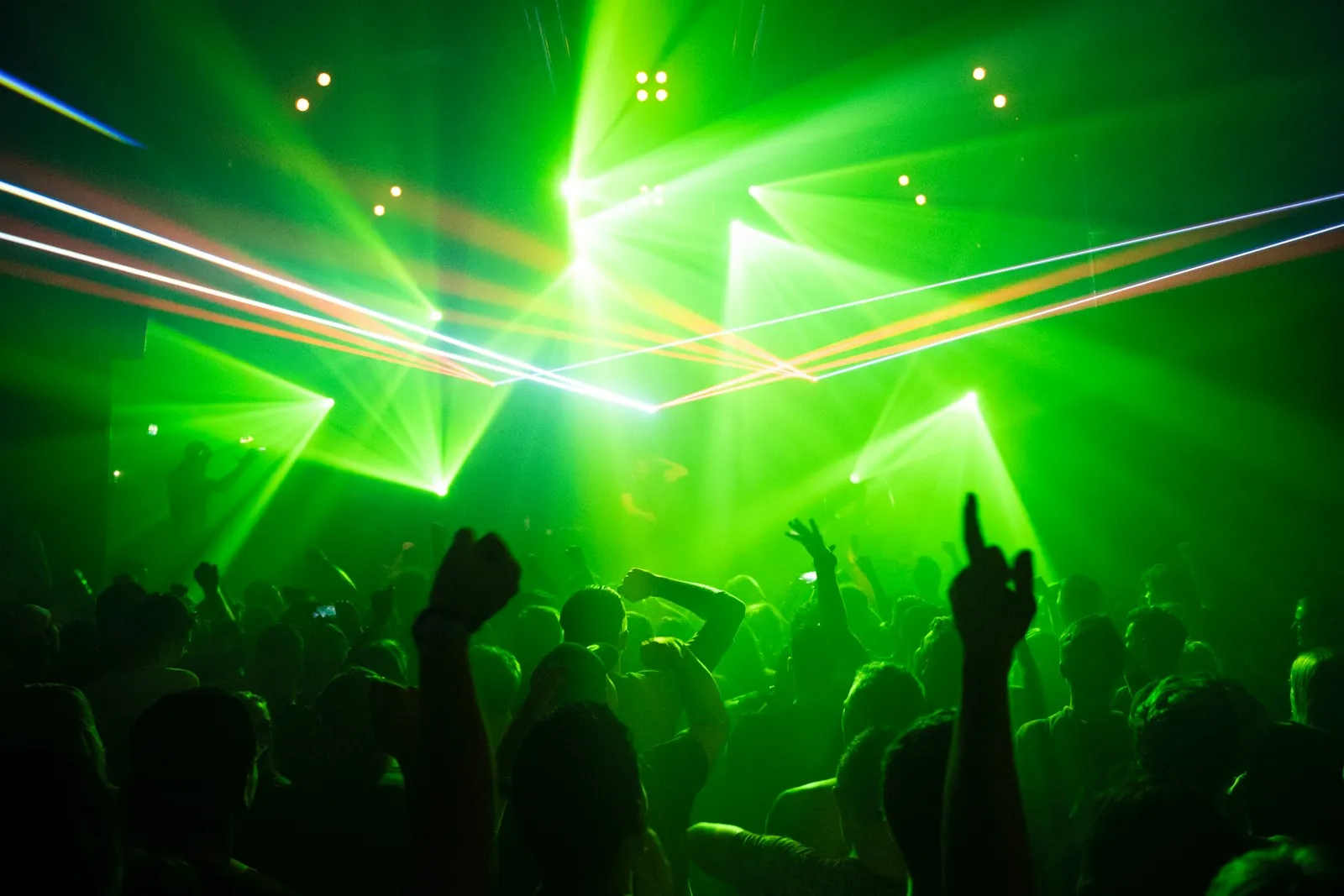
What Is a Rave? From Warehouse Parties to Festivals
«Rave» is one of those words everyone uses and nobody quite defines. Your mate calls Saturday’s club night a rave, the news uses it for an illegal party in a field, and festivals put it on their posters. They’re all talking about the same thing, more or less: people dancing to electronic music for hours, usually through the night.
Few countries have shaped that idea as much as the UK.
Where the word comes from
In British slang, «rave» had been used since the fifties and sixties for a wild party. At the end of the eighties it became the name for the new parties built around acid house: long nights, a big sound system, lights, and a crowd that came to dance rather than to be seen.
The UK rave story
1988–1989: the Second Summer of Love
Acid house arrived from Chicago, and clubs like Shoom and Spectrum in London lit the fuse. Within months, parties had moved into warehouses and then into fields around the M25, with thousands of people following phone lines and flyers to secret locations.
The early nineties: free parties and festivals
Sound systems travelled the country putting on free parties. The best-known was Castlemorton Common in 1992, a free party that ran for several days and made national news.
1994: the law changes
The Criminal Justice and Public Order Act gave police powers to stop outdoor gatherings with music «wholly or predominantly characterised by the emission of a succession of repetitive beats». Raving moved largely into licensed clubs and, later, festivals.
What a rave looks like today
- Club nights: the most common form, with a line-up, a start time and a closing time.
- Warehouse events: licensed parties in industrial spaces, from small rooms to venues for thousands.
- Day parties and festivals: daytime and outdoor events, mostly in summer.
- DIY and squat parties: still around, but outside the law and without the safety of a licensed event.
What makes a good rave
- The sound: a system that you feel as much as hear.
- The music: DJs who build a journey, not just play hits.
- The crowd: people who look after each other and give the dancefloor space.
Going for the first time? Read What to bring to a rave and Techno for beginners.
Find a rave near you
Our UK techno listings show upcoming club nights, warehouse events and festivals with dates, line-ups and official ticket links.
FAQs
What is a rave?
A party where people dance to electronic music, usually techno, house or similar, for many hours and often through the night.
When did raves start in the UK?
In 1988 and 1989, with acid house and the so-called Second Summer of Love.
Are raves legal in the UK?
Licensed raves in clubs, warehouses and festivals are legal. Unlicensed outdoor parties can be shut down under the 1994 Criminal Justice and Public Order Act.
What’s the difference between a rave and a club night?
Today the words overlap. «Club night» usually means a regular event in a club; «rave» is broader and also covers warehouses, fields and festivals.
RECOMMENDED READS

Going to a Techno Night Alone: How to Make It a Great Night
Going out alone can be the best way to listen to techno. How to stay safe, enjoy the music and…
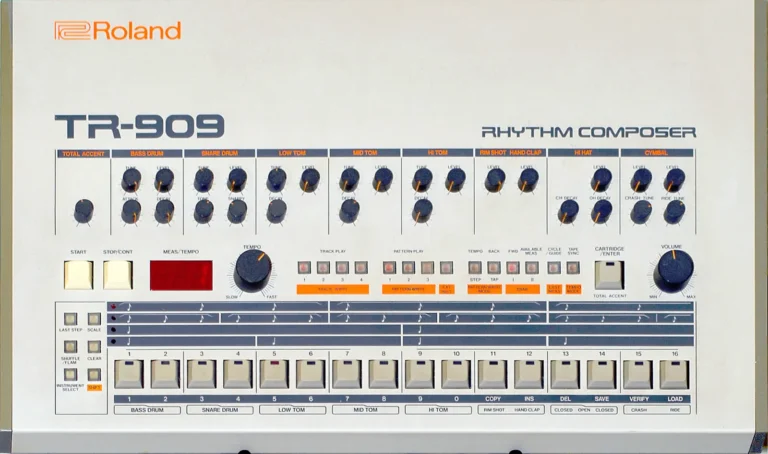
808, 909 and 303: the Machines That Made Techno
Three Roland machines that flopped on release became the backbone of techno, house and acid. Here is how.
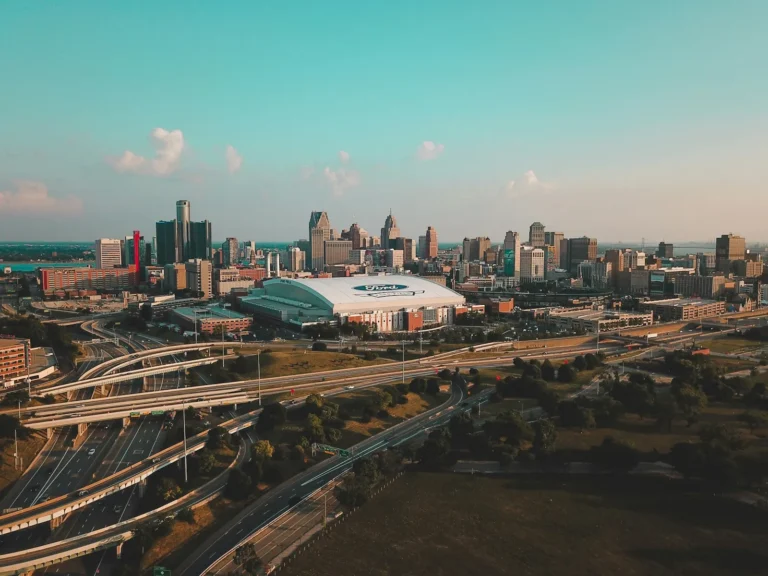
The Belleville Three: Juan Atkins, Derrick May and Kevin Saunderson
Three friends from a small town near Detroit created a sound that changed dance music. And a British compilation gave…

How to Dance to Techno (Even If You Think You Can’t)
Find the kick, shift your weight, relax your shoulders: how to dance to techno without feeling awkward.
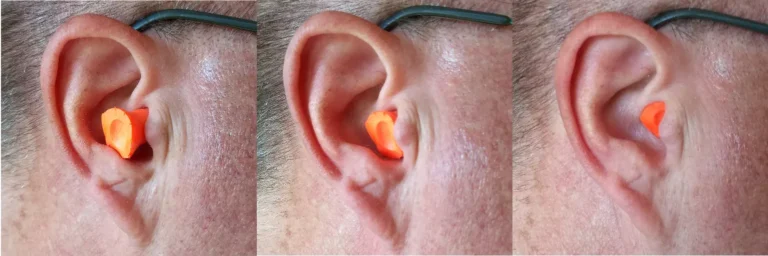
Ear Protection at Clubs: How to Look After Your Hearing at Techno Nights
Why club volume damages your hearing, how filtered earplugs work and simple habits to protect your ears on a night…
What to Bring to a Rave (and What to Leave at Home)
ID, earplugs, a plan to get home: a simple checklist for a rave or techno night, and what to leave…