


Techno vs House: the Difference, Simply Explained
You’re on the dancefloor, the kick drum is rolling, and someone next to you says: «This isn’t techno, it’s house.» You only came to dance and now you’re not sure. Completely normal: both genres share the same four-to-the-floor kick, were born at almost the same time and often play on the same night. They’re related, but they’re not twins.
Here’s the difference between techno and house, without the music theory. Next time, you’ll know what’s playing.
Two cities, two stories
House comes from Chicago, in the early eighties. Its birthplace was The Warehouse, the club where Frankie Knuckles played, which is where the genre got its name. It was made for a crowd that had grown up on disco: warm, soulful and made for celebrating.
Techno comes from Detroit, a few hundred miles away and a few years later. A group of young producers mixed the funk they heard on the radio with the coolness of Kraftwerk and the image of an industrial city in decline. It sounded like machines and like the future.
The UK played a big part in both stories. House and acid house exploded here in 1988, the so-called Second Summer of Love, and the word «techno» reached a wide audience thanks to a British compilation released that same year: Techno! The New Dance Sound of Detroit.
The differences you can hear
| House | Techno | |
|---|---|---|
| Typical tempo | 118–128 BPM | 125–140 BPM (more in harder styles) |
| Feel | Warm, groovy, uplifting | Hypnotic, dark, mechanical |
| Vocals | Common: divas, gospel, soul lines | Rare or none at all |
| Instruments | Pianos, strings, funky basslines | Synths, drum machines, textures |
| Structure | More like a song: hooks and builds | More like a loop: repetition and slow change |
The tempo
House is usually slower. Techno starts roughly where house stops and can go much faster: hard techno and schranz sit at 140 to 150 BPM and beyond. The full numbers are in our article How many BPM is techno?
The voice
This is the easiest clue. If someone is singing a full line with melody and feeling, it’s almost certainly house. Techno treats voices more like an instrument: chopped, repeated, distorted.
The repetition
Techno is built on loops that change very slowly. That repetition is what pulls you in on the dancefloor: you’re not waiting for a chorus, you just let yourself go. House repeats too, but it has more moments you’ll recognise. More of a «song», basically.
Why people mix them up
Because in practice they blend all the time. Some subgenres sit right on the border:
- Tech house: the groove of house with the punch and sounds of techno.
- Melodic techno: techno with big, emotional melodies that recall progressive house.
- Deep house: darker, stripped-back house that sometimes gets close to softer techno.
On top of that, plenty of DJs play both in the same set. So «is this techno or house?» doesn’t always have a clean answer. And that’s fine.
The quick dancefloor test
- Is someone singing a melody? Probably house.
- Does it sound more like piano and funky bass, or like a machine? Piano and funk: house. Machine: techno.
- Do you want to smile or close your eyes? Half a joke, but it works surprisingly often.
Where to hear both live
London, Manchester, Glasgow, Bristol and Leeds all have house and techno nights every weekend, often in the same venue on different rooms. Find upcoming dates in our UK techno listings or go straight to techno in London.
FAQs
What’s the main difference between techno and house?
House is warmer and more soulful, with vocals and pianos. Techno is faster, more mechanical and more hypnotic, and almost always instrumental.
Which is faster, techno or house?
Usually techno. House sits between 118 and 128 BPM, techno mostly between 125 and 140, and harder styles go above 150.
Is tech house techno or house?
A mix of both: the groove of house with the harder production of techno.
Where did techno start?
In Detroit, in the United States, in the mid-eighties. House appeared slightly earlier in Chicago.
RECOMMENDED READS
Going to a Techno Night Alone: How to Make It a Great Night
Going out alone can be the best way to listen to techno. How to stay safe, enjoy the music and…
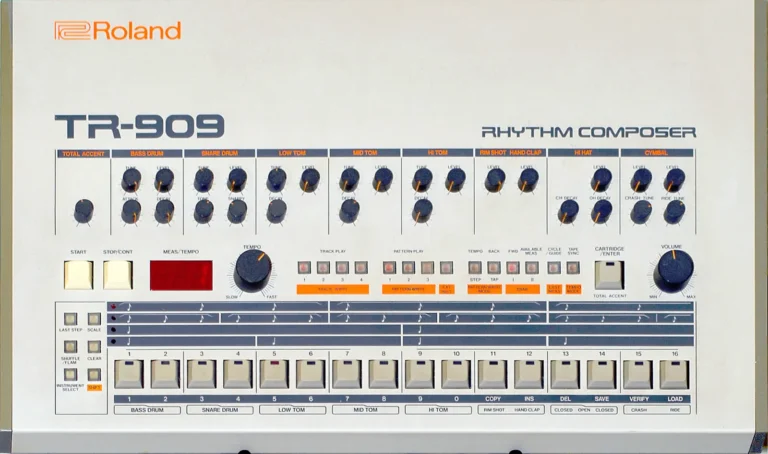
808, 909 and 303: the Machines That Made Techno
Three Roland machines that flopped on release became the backbone of techno, house and acid. Here is how.
The Belleville Three: Juan Atkins, Derrick May and Kevin Saunderson
Three friends from a small town near Detroit created a sound that changed dance music. And a British compilation gave…

How to Dance to Techno (Even If You Think You Can’t)
Find the kick, shift your weight, relax your shoulders: how to dance to techno without feeling awkward.
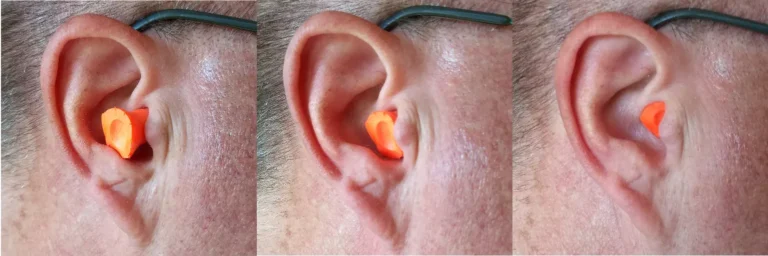
Ear Protection at Clubs: How to Look After Your Hearing at Techno Nights
Why club volume damages your hearing, how filtered earplugs work and simple habits to protect your ears on a night…

What to Bring to a Rave (and What to Leave at Home)
ID, earplugs, a plan to get home: a simple checklist for a rave or techno night, and what to leave…